Research
Equitable Cooling: Context-Specific Architectural Strategies for Mitigating Heat Stress in Low-Income Settings (2025)
As climate change wreaks havoc on existing weather patterns, heat waves are becoming more frequent and severe, disproportionately affecting populations in low- and middle-income countries (LMICs). Research clearly indicates that although LMICs have contributed minimally to climate change, they are expected to bear the worst adverse effects. With limited access to energy-intensive cooling solutions, these communities often rely on passive adaptation strategies, including the repurposing of existing built environments for thermal comfort. However, systematic documentation of these practices remains scarce. This study explores how low-income communities in heat-stressed urban environments adapt through a combination of traditional architectural strategies and low-cost innovations
Drawing on a synthesis of existing literature, the research examines four main areas of adaptation: roof overhangs and shaded spaces, reflective coatings and insulation, window orientation and ventilation, and community-level green infrastructure. The analysis highlights a gap in research on how traditional methods can be systematically integrated with modern low-cost technologies to scale equitable climate adaptations. These insights suggest that future policy and design efforts should move beyond high-tech solutions concentrated in wealthier contexts and instead prioritize context-specific, affordable strategies that enhance thermal comfort and foster sustainable urban resilience.
Adapting to Climate Change: Heat Risks and Coping Strategies for Agricultural Workers in Guatemala (2024)
Climate change is an increasingly urgent global issue, with rising temperatures and unpredictable weather patterns impacting countless regions around the world. These changes alter ecosystems, disrupt communities, and intensify natural disasters such as floods, droughts, and wildfires. While climate change affects everyone, vulnerable communities, particularly those in low-income and rural areas, are disproportionately impacted. These populations experience some of the most severe consequences yet often lack the attention, resources, and infrastructure needed to mitigate and adapt to these challenges effectively.
In Guatemala, agriculture plays a crucial role in the livelihoods of many families, but the effects of extreme heat and unpredictable weather patterns are putting intense pressure on these workers. These changes are not only threatening food security but also the health and well-being of those who rely on agriculture for their income.
This study aims to examine the heat-related challenges faced by agricultural workers in rural Guatemala, focusing on how rising temperatures are impacting both their health and livelihood. Additionally, it aims to gather personal viewpoints on potential measures that could be implemented to better protect workers from these risks. Through a survey that collects demographic details, experiences with heat exposure, existing medical conditions, and coping mechanisms, this research seeks to better understand the personal viewpoints on risks posed by climate change.
What are the Perspectives of Environmental Community Organizers on the Health Risks of the Urban Heat Island Effect in New York City? (2024)
New York City, an extremely diverse community with the largest city population in the United States, is increasingly grappling with the intensifying impacts of climate change. Among the most pressing concerns is the escalating heat risk, also known as the Urban Heat Island (UHI) effect. This climate phenomenon explains how urban areas experience higher temperatures compared to surrounding rural parts due to human activity and the physical construction of urban cities. This research seeks to understand and gain valuable insight from environmental community organizers on the health risks residents face due to the rising temperature in New York City. Although all populations do struggle with this issue, there are communities that are especially vulnerable due to several factors, including socioeconomic status, age, gender, and more. Research was conducted by interviewing members of climate change organizations based in NYC, as well as recording and transcribing the conversations. The benefits of this research include increased awareness and understanding of this critical issue. This awareness will ensure that residents and policymakers alike are informed about the impacts of extreme heat. The information will help amplify the importance of equitable resource distribution and community-led initiatives, producing a broader recognition of the importance of sustainable and just urban planning.
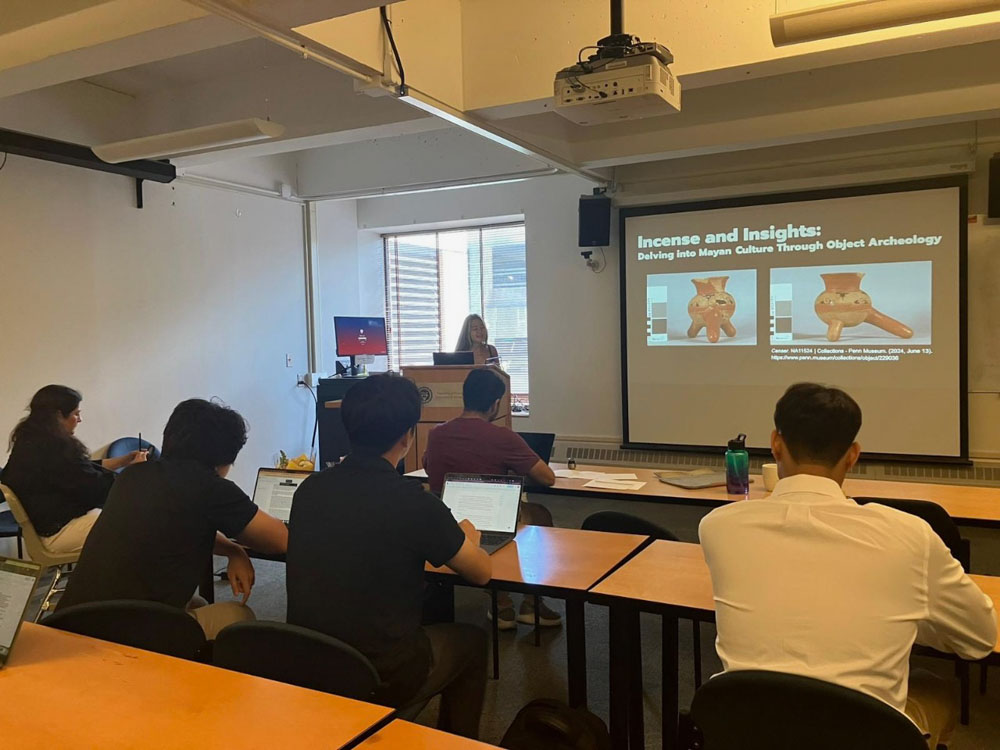
Incense and Insights: Delving into Mayan Culture Through Object Archeology (2024)
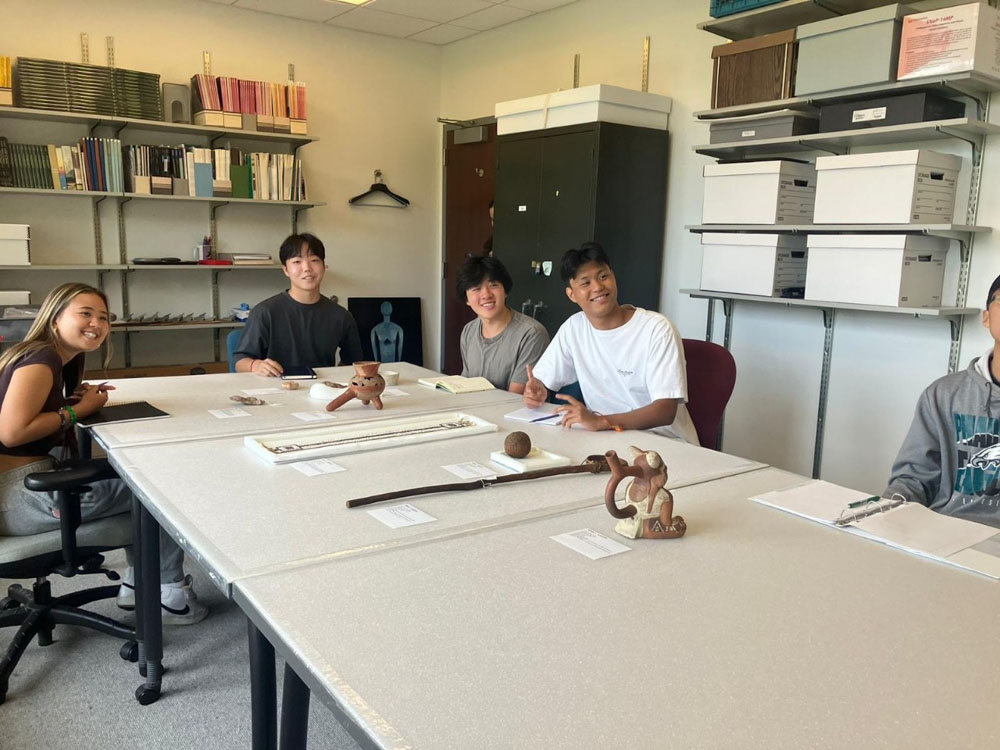
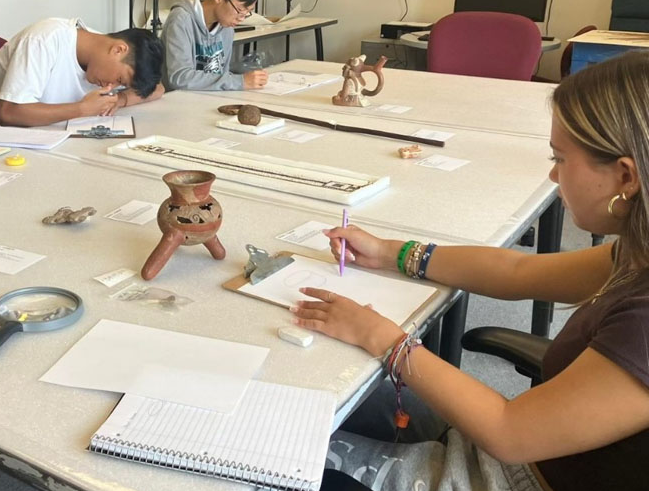
This paper examines the significance of a Mayan censer, discovered in 1924, through object-based archeology, combining physical analysis with archival data. It uncovers the cultural significance of the censer and explores the ethical questions surrounding its acquisition by the museum, particularly in the context of colonialism. This research highlights the need for more responsible stewardship of cultural heritage, emphasizing respect for both the artifacts and the communities they represent. Ultimately, it advocates for an approach to archeology that considers both historical context and ethical responsibility in the preservation and interpretation of ancient objects.
Science Research
Development of Real-Time Fiber-Optic Interferometry for Green Plasma Chemistry (2025)
Princeton Plasma Physics Lab
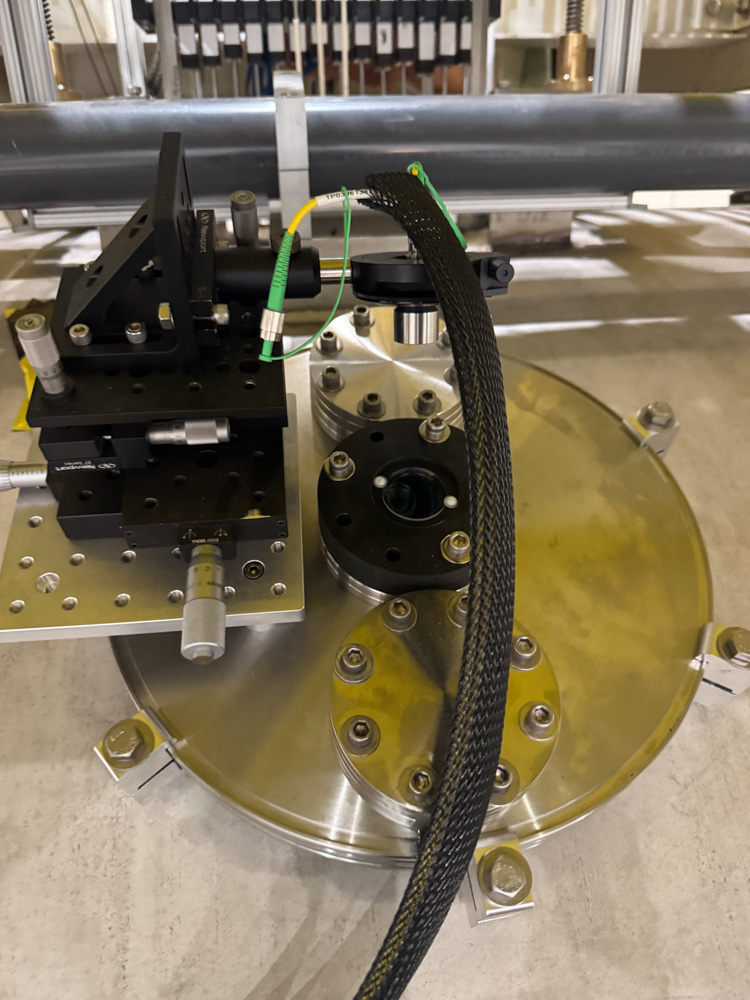
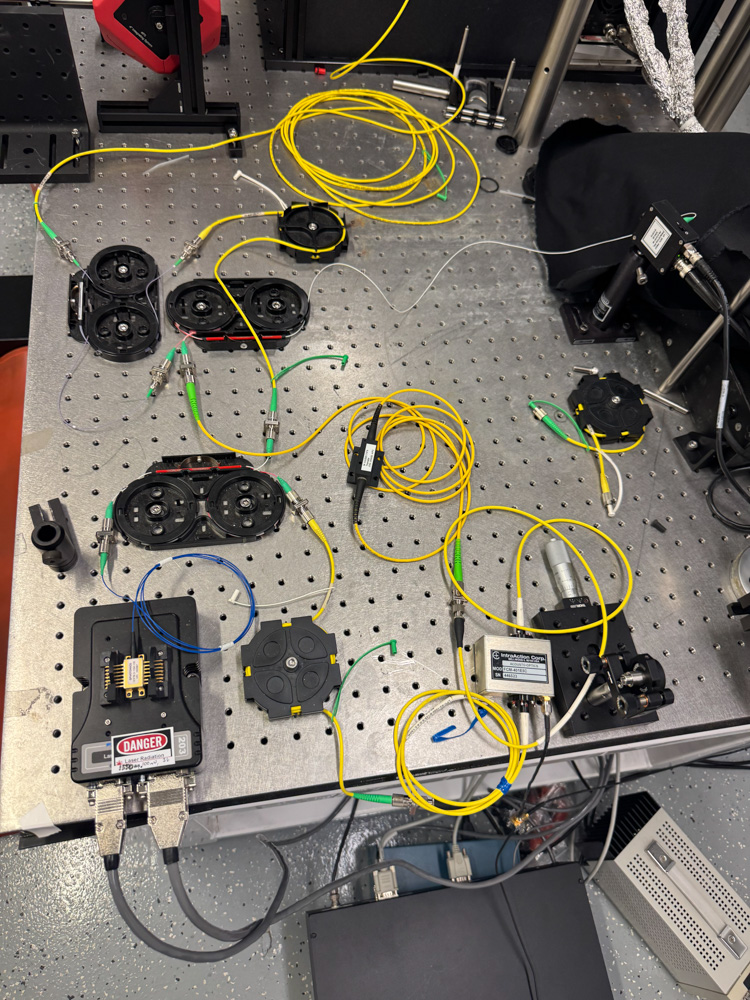
We developed a fiber-optic interferometer that monitors how gases change inside a plasma reactor in real time. This capability allows researchers to determine whether the reactor is converting CO₂ into useful products efficiently, without inserting probes that could interfere with the plasma. Using this information, researchers are able to adjust operating conditions to reduce energy use while maintaining performance. This tool helps accelerate the development of cleaner, more energy-efficient plasma-based chemical processes that support climate sustainability.
AI/ML-Enabled Detection of Magnetic Islands on FLARE (2025)
Princeton Plasma Physics Lab
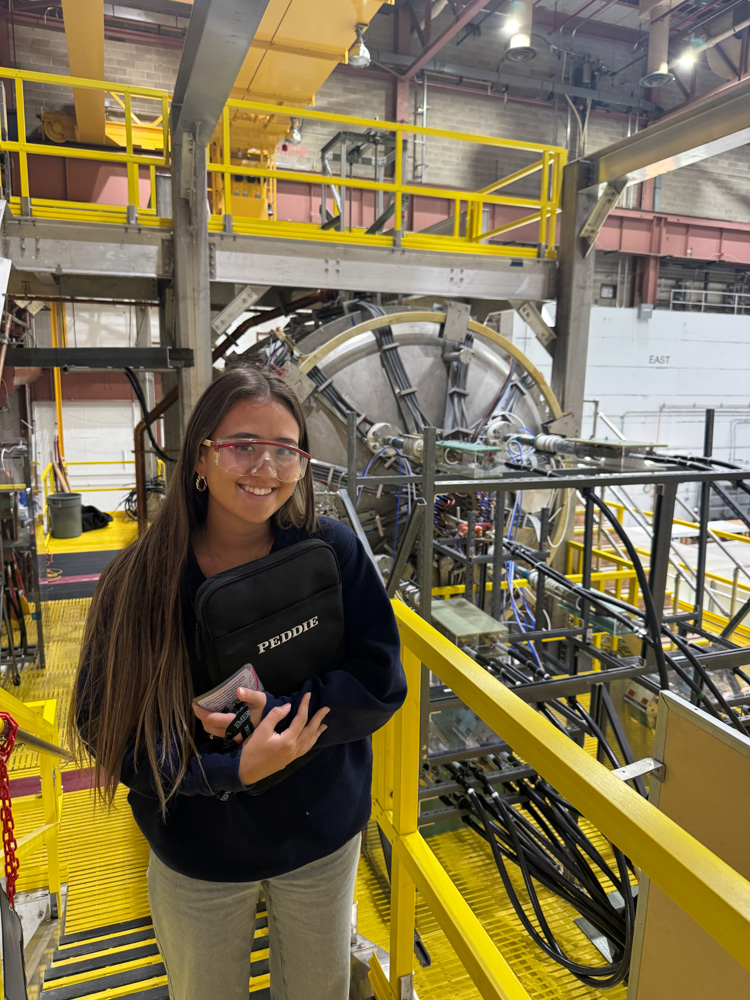
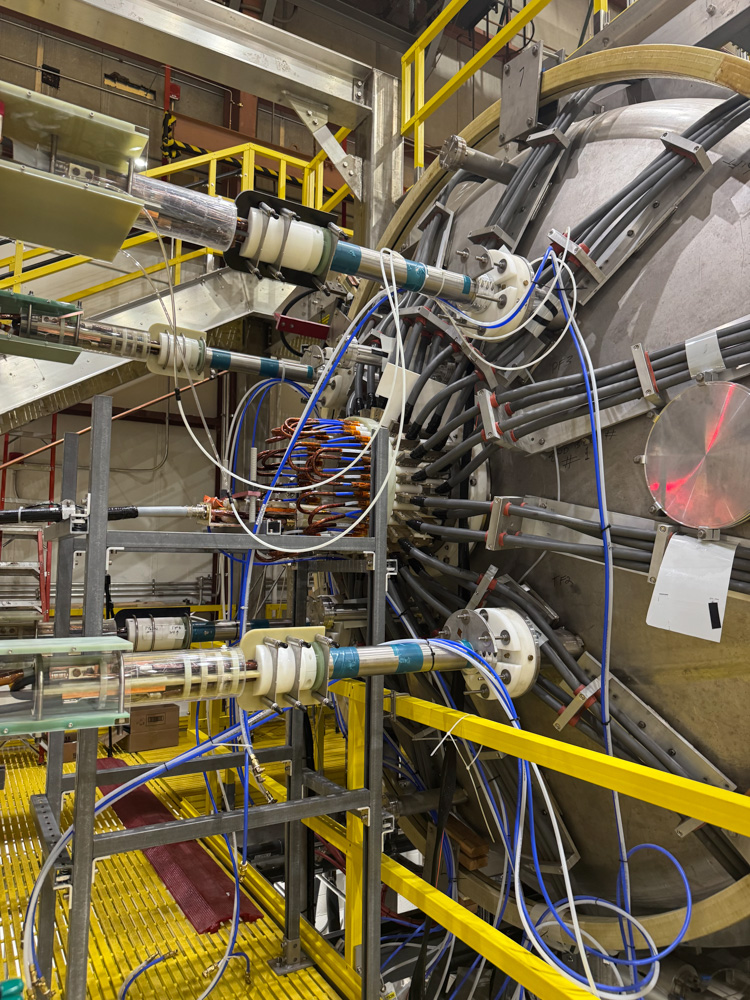
We use advanced computer simulations to help design a new interferometer system for FLARE (the Facility for Laboratory Reconnection Experiments) that will identify magnetic islands, small structures that form during magnetic reconnection. From these simulations, we generate synthetic signals and train deep-learning models to automatically detect and count these islands. Once tested, these AI tools will be applied to real FLARE data to provide fast, reliable identification of magnetic islands.